Product
Color Dyes
None
Description
Our MASTERLINE paper dye range includes high-performance liquid dyes and pigment dispersions developed for every kind of cellulose-based paper and board application. Our products are suitable for softwood and hardwood fibers, bleached and unbleached pulp, recycled paper, and various production processes.
● Direct dyes can be used at different production stages such as the wet end, the water box, the size press, and coating. They mix easily with water and can be applied diluted or neat.
● Basic dyes, with their cationic structure, are suitable for fiber types that contain lignin. They are especially preferred in systems that run at a low pH.
● Pigment dispersions are made up of organic, inorganic, and basic pigments. They offer high light fastness and color brilliance. They are especially suitable for specialty surfaces such as laminate, matte, and museum boards.
● Fixatives. Our cationic fixatives help the dye hold better on the paper. They contribute to color intensity, uniformity, and resistance to bleeding.
• Fine paper production
• Tissue and towel production
• Packaging papers
• Nonwovens
• Security papers
• Specialty and technical papers
PACKINK provides technical support for color matching, shading, and application optimization. Whether the coloring is batch or continuous, we are with you throughout the process.
From the catalog
Related products
More from the same categories — browse similar lines in our catalog.
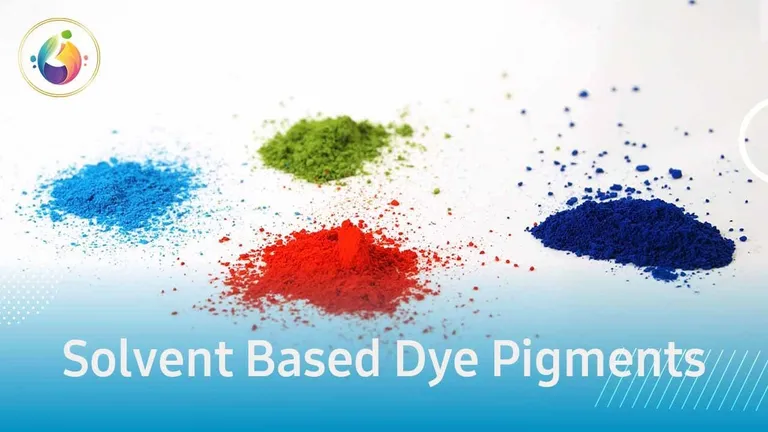
Solvent-Based Dye Pigments
Solvent dyes are also called solvent-based dyes, are not soluble in water but soluble in organic solvents or plastics. Some of these typical solvents are non-polar mediums, such as alcohols, ethers, ketones, aliphatic and aromatic hydrocarbons, oils, fats, waxes, and chlorinated hydrocarbons. Solvent dyes form a colloidal solution in solvents, their molecules are typically nonpolar or little polar, which means the dying process does not take place through ionization. Solvent dye is incorporated directly into the product to be colored. They are widely used for coloring organic solvents, foil printing, printing inks, marking pens, ballpoint pens, candles, oil, fats, solvents, petrol, gasoline, bitumen, polishes, leathers, wood stains, acrylic resins, varnishes and shellacs, hydrocarbon fuels, waxes, lubricants, plastics, marking inks, inkjet printing inks, dye sublimation printing, glass coloration, signaling smoke, fireworks, and in the pyrotechnics industries, gold imitation, other transparent metallic effects of metallized polyester films, and other hydrocarbon-based nonpolar materials. However, the most frequent application of solvent dyes is in the plastics industry. Solvent-based dyes are high-quality polymer soluble dyes that are suitable for coloring engineering plastics like polystyrene (PS), styrene acrylonitrile (SAN) and acrylonitrile butadiene styrene (ABS), unplasticized polyvinyl chloride (PVC-R), polymethyl methacrylate (PMMA), polyester (PET or PBT), polycarbonate (PC), polyolefin, polyamide, acetates, nylon, PA6, PA66, polyester, acrylics, PVC, styrene monomers. They produce brilliant and transparent colors. Solvent dyes are low migration in plastics, as long as the polymer is hot during processing the dyes are completely dissolved giving best color strength, so very low amounts will lead to deep colors. After cooling down the polymers and the dyes are made to show now migration or staining, so the dyes remain in the polymer in their initial location. Red and yellow solvent dyes are often azo dyes, green and blue ones tend to be anthraquinone dyes. Solvent dyes have good light fastness. The naming of solvent dyes has been standardized, following the pattern of the color of the dye (and a distinguishing number) coming after the word “Solvent.” For example, multiple shades of red solvent dyes are differentiated by the number at the end of the name (e.g. “Solvent Red 1,” “Solvent Red 49,” “Solvent Red 24,” “Solvent Red 111,” etc.).
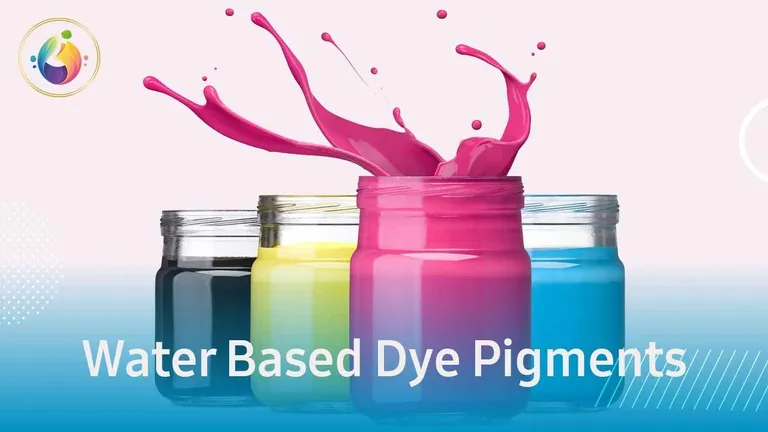
Water-Based Dye Pigments
As PACKINK water-based pigments manufacturers, our water-based pigments meet the best industry standards. 1. Our raw materials come with the guarantee of durability, consistency, and vibrancy. Come and scan our varied colors, and you are sure to find ones that are best-suited to your water-based applications. We offer a bevy of vibrant fluorescent water-based pigments that attract users’ attention, adding shine and gleam to your projects and products. 2. Expert dispersion technology Our coloring professionals specialize in expert dispersion technology for even pigment distribution at the micro level, leading to color consistency and excellence. 3. Eco-friendly practices We prioritize sustainability and eco-friendliness in our processes in our role as India’s leading water-based pigments manufacturers. Various applications of water-based pigments The applications of water-based pigments cover all coloring areas, including: Water-based textile printing: rubber printing, flat screen printing, rotary screen printing, water paste printing, and non-woven printing. Water-based arts & crafts: wood painting, canvas painting, clay colouring, wax, poster coloring, acrylic paints. Water-based paper coating: coated bond paper, coated matte paper, and coated silk paper have applications in ice cream boxes, food wrappers, and among others. Water-based textile inks: T-shirts, sportswear, banners, flags, designer wear, upholstery, and soft signage. Water-based silk screening inks: T-shirts, canvases, posters, plastic surfaces, ceramic painting, glass painting, and wood painting. Water-based flexo and gravure inks: flexible packaging composed of plastic and aluminum have uses in beverage packaging, pet food packaging, hygiene products, aluminum lids, and shrink sleeves. Water-based paints: water-based metal paint and water-based anti-corrosion coatings.